Education has evolved dramatically over the past few decades, particularly with the integration of digital tools and modern teaching strategies. It is no surprise that most private schools in Manila have implemented various learning methodologies that meet the current digital climate. Today’s classrooms are no longer limited to traditional lectures and textbooks. Instead, technology has opened new opportunities for personalized and interactive learning experiences. One approach gaining significant attention in modern education is adaptive learning.
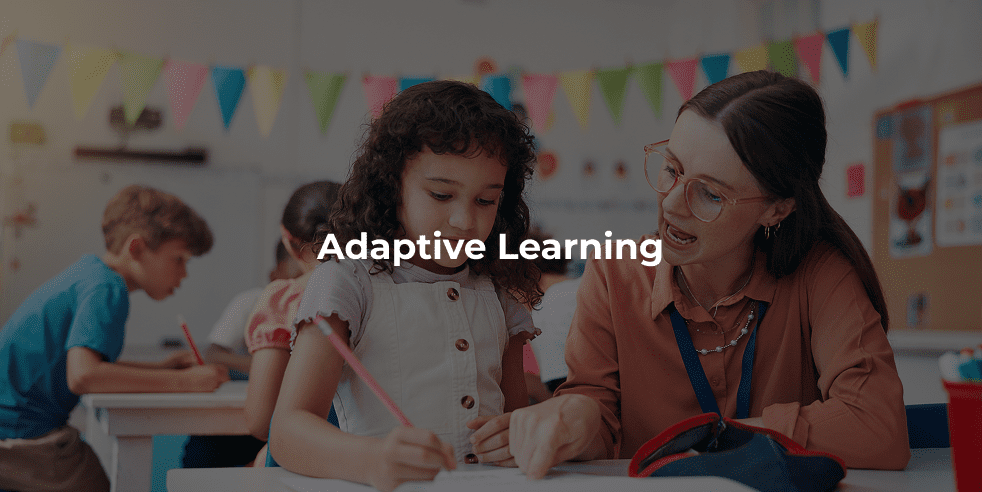
So, what is adaptive learning? Adaptive learning is an educational method that uses technology and data-driven insights to tailor instruction to each student’s individual learning needs. Through intelligent systems and digital platforms, lessons can adjust based on a student’s progress, strengths, and challenges. This personalized approach allows students to learn at their own pace while receiving targeted support.
By incorporating technology and modern teaching techniques, educators can create more engaging and effective learning environments. Adaptive learning programs leverage artificial intelligence, analytics, and interactive platforms to help students better understand concepts and retain information. As a result, the adaptive learning benefits extend beyond academic achievement—they also support motivation, confidence, and independent learning.
In this article, we explore how adaptive learning:
Increases student engagement through interactive and technology-driven learning
The educational landscape has changed significantly in the digital age. Students today face new learning challenges, including information overload, diverse learning preferences, and rapidly evolving technological environments. Regardless of whether it is IB or the Cambridge curriculum, many schools have learned to incorporate modernized solutions in their program. Adaptive learning offers modern solutions designed to address these challenges effectively.
Adaptive learning systems analyze student performance and adjust instructional materials accordingly. Instead of presenting the same lesson to every learner, the system identifies areas where a student may need additional support or advanced material. This personalized approach ensures that learning remains relevant and efficient.
Examples of adaptive learning programs include digital math platforms that adjust question difficulty based on performance, language-learning apps that modify lessons depending on vocabulary mastery, and online reading programs that recommend texts based on comprehension levels. These tools demonstrate how technology can provide targeted solutions to modern educational needs.
Digital platforms have transformed how teachers deliver lessons and interact with students. Adaptive learning technologies allow educators to move beyond traditional teaching methods and explore innovative strategies that support diverse learners.
This shift is important because it enables teachers to focus more on guiding and mentoring students rather than simply delivering information. By leveraging adaptive learning tools, educators gain insights into student progress, allowing them to provide timely support and adjust teaching strategies accordingly.
Examples include teachers using learning analytics dashboards to monitor student performance, interactive online modules that provide immediate feedback, and blended learning environments where classroom instruction is supported by adaptive digital resources. These innovations highlight the growing role of technology in shaping effective teaching practices.
Students today grow up surrounded by technology, which influences how they engage with information and learning experiences. Adaptive learning recognizes these evolving preferences by offering multiple pathways for students to understand concepts.
One of the key adaptive learning benefits is the ability to personalize learning experiences. Students can progress at their own pace, revisit challenging topics, and explore advanced material when they are ready. This flexibility supports a wide range of learning styles and abilities.
Examples include personalized lesson pathways in online platforms, self-paced modules that allow students to review material independently, and interactive learning applications that adapt content based on real-time responses. These approaches ensure that each student receives the support they need to succeed.
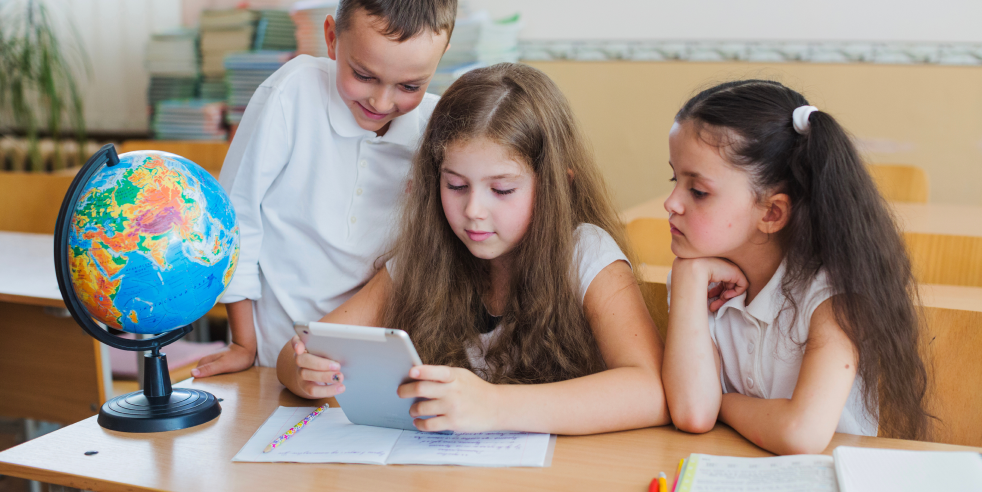
Interactive learning experiences play a crucial role in maintaining student engagement. Adaptive learning platforms often incorporate multimedia elements, gamification, and interactive activities that encourage active participation.
This level of engagement is particularly important in the digital age, where students are accustomed to interactive technology in everyday life. By integrating these elements into educational environments, adaptive learning helps maintain interest and motivation while reinforcing academic concepts.
Examples include gamified quizzes that reward progress, interactive simulations that allow students to experiment with scientific concepts, and collaborative online platforms where students solve problems together. These experiences demonstrate how adaptive learning programs can transform traditional learning into dynamic and engaging educational journeys.
As education continues to evolve in response to technological advancements, adaptive learning has emerged as a powerful tool for supporting modern learners. By personalizing instruction, integrating digital innovation, and increasing student engagement, adaptive learning helps educators address the diverse needs of today’s students.
Understanding what is adaptive learning and recognizing the adaptive learning benefits allows schools and families to appreciate the value of personalized, technology-driven education. Through well-designed adaptive learning programs, students can develop confidence, independence, and a deeper understanding of academic concepts.
In the digital age, embracing adaptive learning ensures that education remains relevant, effective, and responsive to the changing needs of students. By keeping up with these advancements, educators can empower learners to succeed in an increasingly complex and interconnected world.
CISM continues to innovate our program that aims to facilitate a better learning environment for our students through modernized teaching methodologies, such as adaptive learning into our programs. Learn more about our admission process and how you can enrol your child with us today!
From the sports field to the science lab, explore how our students are shaping their futures and building lifelong memories within the CISM community.