In recent years, more families have been exploring educational pathways that extend beyond traditional local systems. As global mobility increases and the demands of the modern world evolve, parents are carefully considering how their children’s education can prepare them not just academically, but socially, culturally, and professionally. This growing interest explains why international schools in the Philippines continue to attract both local and expatriate families seeking a globally aligned education.
Parents choosing top international schools in the Philippines are not simply looking for prestige. They are seeking meaningful learning experiences that equip their children with transferable skills, international credentials, and a strong sense of identity within a global community.
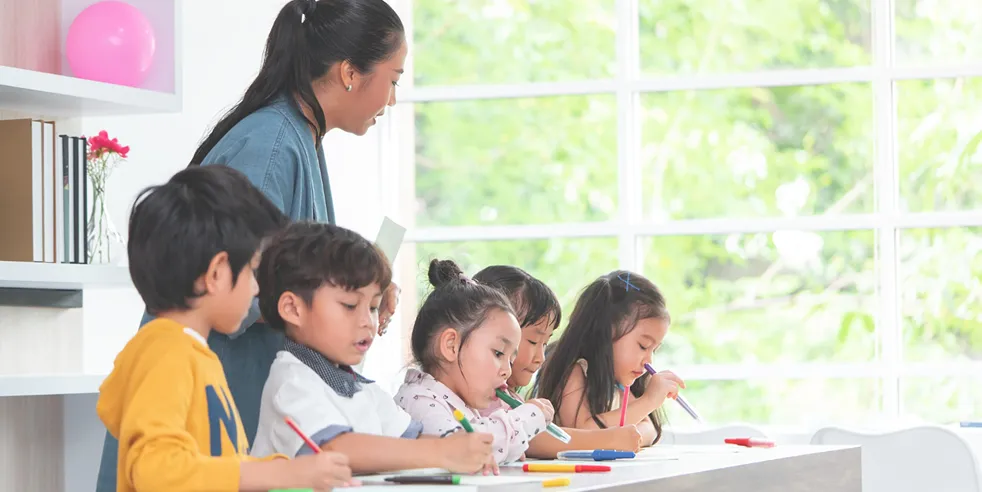
International and private schools in the Philippines create environments where students from diverse cultural, linguistic, and national backgrounds learn together. Classrooms become spaces where perspectives are shared, traditions are respected, and global awareness develops naturally through daily interaction.
This multicultural exposure directly relates to why parents are enrolling their children in international schools in the Philippines. In an interconnected world, understanding different cultures is no longer optional — it is essential. Students who grow up in diverse educational settings develop empathy, adaptability, and global citizenship. These qualities prepare them for international universities and careers that require cross-cultural collaboration.
Proven examples include internationally diverse student bodies, globally themed curriculum units, and celebrations of cultural events from around the world. Students participate in collaborative projects with peers from various backgrounds, building intercultural competence that extends far beyond textbooks.
One of the strongest draws of top international schools in Manila is the global recognition of their academic programmes. Many international schools offer curricula such as the International Baccalaureate (IB), British, American, or other internationally accredited programmes.
This global recognition is particularly important for expatriate families and internationally mobile households. Academic credentials that are transferable worldwide ensure educational continuity, allowing students to transition smoothly between schools or countries without academic disruption.
Examples include IB Diploma Programme graduates gaining admission to leading universities worldwide, transcripts recognized by international higher education institutions, and standardized qualifications aligned with global benchmarks. This portability provides reassurance to families seeking long-term academic flexibility.
International schools often prioritise multilingual education, encouraging students to develop proficiency in more than one language. Exposure to English-medium instruction combined with additional language programmes strengthens communication skills and cultural understanding.
This linguistic focus is a significant reason why parents seek top international schools in the Philippines. In a global economy, multilingual proficiency enhances academic opportunities and future employability. Language learning also strengthens cognitive flexibility and problem-solving abilities.
Examples include bilingual programmes, foreign language electives, and immersive language experiences. Students may engage in language exchange initiatives, international collaborations, or cultural immersion projects that deepen fluency and confidence.
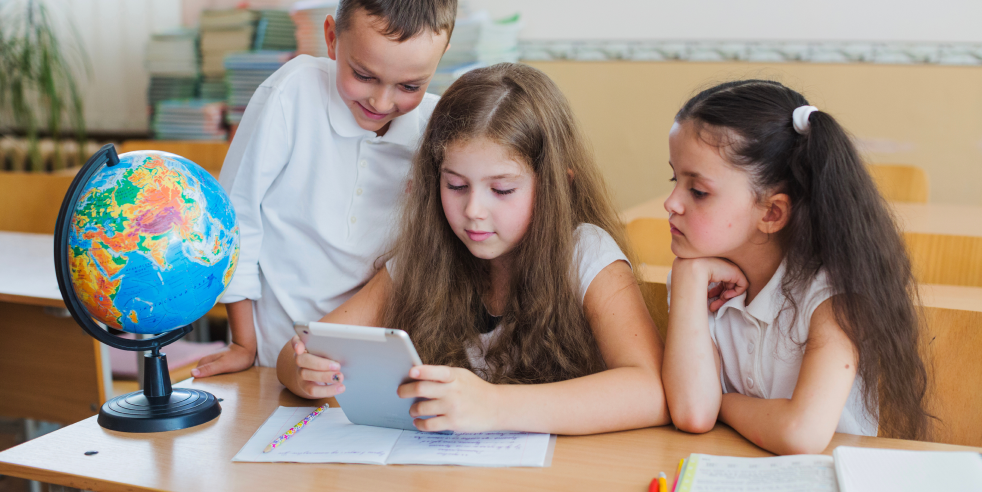
International schools are known for integrating modern pedagogical approaches that prioritise critical thinking, creativity, collaboration, and technological literacy. Rather than focusing solely on memorization, these schools encourage innovation and inquiry.
This forward-looking approach is central to the appeal of top international schools in the Philippines. Parents recognise that the future workforce will require adaptability, digital fluency, and complex problem-solving skills. Whether it be primary or secondary education, many of these academic entities must prepare students not just for exams, but for ever-evolving industries and global challenges.
Examples include STEAM programmes, project-based learning, entrepreneurship initiatives, and technology integration in classrooms. Students design solutions to real-world problems, engage in coding or robotics, and participate in leadership programmes that build resilience and independence.
Holistic education addresses academic, emotional, social, physical, and ethical development. International schools often place strong emphasis on character education, well-being, and extracurricular enrichment.
This holistic approach explains why international schools in the Philippines are increasingly attractive to families seeking well-rounded development. Academic success alone is not enough; students must also cultivate emotional intelligence, confidence, and a strong moral compass.
Examples include advisory programmes, service learning initiatives, arts and athletics participation, and wellbeing frameworks embedded into the curriculum. Students are encouraged to explore interests, reflect on growth, and build self-awareness alongside academic achievement.
International schools foster communities that extend far beyond graduation. Students form friendships with peers from around the world, creating networks that often last a lifetime.
This global connectivity is particularly meaningful for families choosing top international schools in Manila. Alumni networks, international partnerships, and shared experiences create lasting bonds that support both personal and professional growth.
Examples include international alumni associations, global exchange programmes, collaborative projects across campuses, and strong parent communities. These networks provide lifelong connections and a sense of belonging that transcends geographical boundaries.
The growing demand for top international schools in the Philippines reflects parents’ desire to provide their children with an education that is globally relevant, academically rigorous, and holistically enriching. From multicultural exposure and internationally recognized credentials to multilingual proficiency and future-ready skills, international schools offer pathways that extend far beyond traditional boundaries. By fostering global citizenship, holistic development, and lifelong community connections, these institutions prepare students not only for academic success but for meaningful participation in an interconnected world. For many families, enrolling in top international schools in Manila represents an investment not just in education, but in a child’s future potential on the global stage.
From the sports field to the science lab, explore how our students are shaping their futures and building lifelong memories within the CISM community.