
/
/
What Is Reading Comprehension and How to Enhance Reading Comprehension

What Is Reading Comprehension and How to Enhance Reading Comprehension

February 27, 2026, by CISM Enrichment Team —

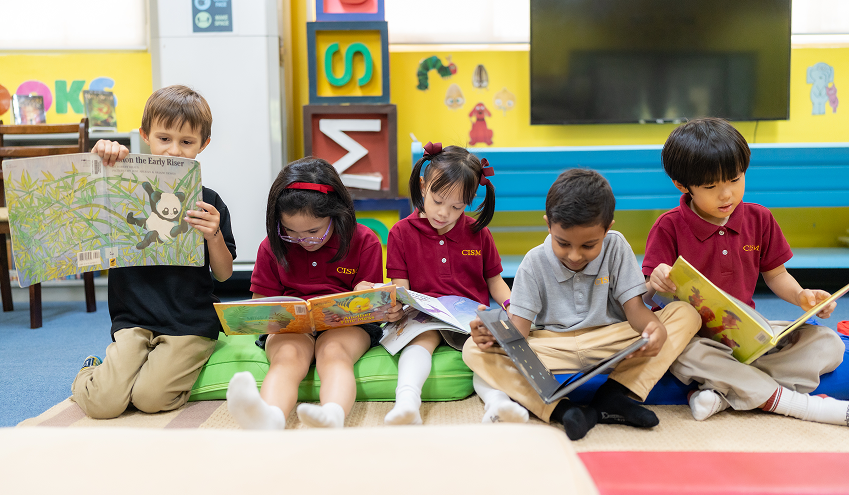
Reading comprehension is one of the most essential foundations of a child’s academic journey. A staple in any school in the Philippines, reading comprehension builds the foundation in any of its academic vernacular. It goes beyond simply recognising words on a page and focuses on understanding, interpreting, and engaging meaningfully with written text. When students develop strong reading comprehension skills, they are better equipped to succeed across all subject areas, think critically, and become confident, independent learners.

In this article, we explore:

  • What reading comprehension is and why it is fundamental to learning success.
  • How vocabulary knowledge supports deeper understanding of texts.
  • How text comprehension strategies help students engage critically and meaningfully with what they read.


1

What Is Reading Comprehension and Why Is It Important?

Reading comprehension refers to a learner’s ability to understand, process, and interpret written language. It involves making sense of vocabulary, sentence structure, and broader meaning while connecting new information to existing knowledge. At an international learning environment like CIS Manila, reading comprehension plays a vital role in supporting inquiry-based learning, interdisciplinary understanding, and global-mindedness.


Vocabulary knowledge is a critical pillar of reading comprehension. Without understanding key words, students struggle to grasp meaning, regardless of how fluent they may appear. Text comprehension, on the other hand, involves recognising main ideas, identifying themes, and drawing conclusions from what is read. Together, these skills empower learners to engage thoughtfully with texts, ask questions, and develop deeper insight across subjects.

2

Build on Existing Knowledge

Building on existing knowledge allows students to connect new information to what they already understand, making learning more meaningful and memorable. Reading comprehension improves when learners activate prior experiences before engaging with a text, as this creates a mental framework for understanding new ideas.


This approach is important because it supports cognitive engagement and reduces confusion, particularly when students encounter complex or unfamiliar topics. By making connections, learners are more likely to retain information and apply it in new contexts.


Proven strategies include pre-reading discussions, using graphic organisers, and asking students to share what they already know about a topic. Teachers may also introduce key concepts or vocabulary in advance to prepare students for deeper comprehension.

3

Identify and Summarise Key Ideas

Identifying and summarising key ideas helps students distinguish essential information from supporting details. This skill is fundamental to understanding both fictional and non-fictional texts and enables learners to process information efficiently.


Its importance lies in helping students focus on meaning rather than memorisation. When learners can summarise a text in their own words, it demonstrates genuine understanding and critical engagement.


Effective methods include guided reading sessions, highlighting main ideas, and practising written or oral summaries. Teachers can model summarising techniques and gradually encourage students to do this independently.

4

Use Online Resources

Online resources provide diverse, engaging materials that cater to different learning styles and reading levels. Digital texts, interactive reading platforms, and educational websites can enhance reading comprehension by offering multimedia support.


These tools are particularly valuable in an international school context, as they allow access to global perspectives and differentiated learning opportunities. When used thoughtfully, technology supports autonomy and curiosity in learners.


Examples include online reading libraries, comprehension games, and interactive quizzes that reinforce understanding while keeping students motivated and engaged.

5

Use Visual Aids

Visual aids such as diagrams, charts, and illustrations help students interpret and organise information. They provide alternative pathways to understanding, especially for visual learners or those encountering complex ideas.


Visual support is important because it reduces cognitive load and clarifies abstract concepts. It also helps students recall information more effectively by associating ideas with images.


Teachers often use story maps, infographics, and graphic organisers to help students track narratives or explain relationships between ideas in informational texts.

6

Develop Vocabulary Skills

Vocabulary development is directly linked to reading comprehension. A strong vocabulary enables students to understand texts more fluently and confidently while engaging with higher-level material.


This skill is essential as students progress academically, particularly when reading subject-specific texts in science, humanities, and mathematics. A limited vocabulary can become a barrier to comprehension across disciplines.


Proven techniques include explicit vocabulary instruction, word journals, contextual learning, and encouraging wide reading across genres to expose students to varied language.

7

Implement Thinking Strategies

Thinking strategies such as analysing, questioning, and reflecting encourage students to engage deeply with texts. These strategies promote active reading rather than passive consumption of information.


Their importance lies in developing critical thinking and independent learning habits. When students think about what they read, they gain greater insight and retain information more effectively.


Examples include think-aloud strategies, reflective journals, and guided questioning that prompts deeper analysis of themes and author intent.

8

Create Question and Answer Scenarios

Question and answer scenarios encourage students to interact with texts by asking meaningful questions and seeking evidence-based responses. This approach enhances engagement and comprehension.


It is important because it transforms reading into a dialogue, allowing students to clarify misunderstandings and explore ideas more deeply.


Teachers may use comprehension questions, peer discussions, or group activities where students formulate and answer questions collaboratively.

9

Encourage Reciprocal Teaching

Reciprocal teaching involves students taking on teaching roles by predicting, questioning, clarifying, and summarising content. This collaborative approach strengthens comprehension through shared responsibility.

This strategy is valuable because it promotes communication skills, confidence, and deeper understanding. Students learn effectively when they explain ideas to others.

Proven examples include small-group reading sessions where students rotate roles and collectively analyse texts under teacher guidance.

10

Use Summarising Techniques

Summarising techniques reinforce comprehension by encouraging students to distil information into key points. This process strengthens memory and understanding.


Summarising is important as it helps learners identify purpose, structure, and main ideas within a text, preparing them for more advanced academic reading.


Techniques include one-sentence summaries, story retelling, and structured frameworks such as “Somebody-Wanted-But-So-Then” for narratives.

11

Ask Students to Make Predictions

Making predictions encourages students to think ahead and engage actively with texts. It helps them anticipate outcomes and test their understanding as they read.


This strategy is important because it fosters curiosity and analytical thinking, motivating students to read attentively.


Teachers often pause during reading sessions to ask predictive questions based on titles, images, or previous events in the text.

12

Try Making Inferences

Inference-making involves reading between the lines and interpreting implied meaning. This higher-order skill deepens comprehension and critical thinking.


Its importance lies in helping students understand character motivations, themes, and underlying messages that are not explicitly stated.


Examples include analysing character actions, interpreting tone, and using textual evidence to support conclusions.

13

How Parents Can Encourage Reading Comprehension at Home

Parents play a vital role in reinforcing reading comprehension outside the classroom. A supportive home environment strengthens confidence and fosters a love of reading.


This involvement is important because consistent exposure to reading across settings enhances skill development and motivation.


Parents can read with their children, discuss stories, ask open-ended questions, and provide access to diverse reading materials aligned with their child’s interests.

14

Reinforce with Continual Learning and Encouragement

Continual learning and encouragement help sustain progress in reading comprehension. Consistent practice and positive reinforcement build resilience and confidence.


This approach is important as reading skills develop over time and require ongoing support to reach full potential.


Examples include setting achievable reading goals, celebrating progress, and creating a culture where reading is valued and enjoyed both at school and at home.

Conclusion

Understanding what reading comprehension is and how to enhance reading comprehension is fundamental to nurturing confident, capable learners. By developing vocabulary knowledge, strengthening text comprehension, and implementing proven strategies both in the classroom and at home, students gain the skills needed to thrive academically and beyond. At CISM, fostering strong reading comprehension supports lifelong learning, critical thinking, and global citizenship and is part of the learning pillars of IB curriculum. This prepares students to engage thoughtfully with the world around them and makes for better school admissions.

You Can Explore More

From the sports field to the science lab, explore how our students are shaping their futures and building lifelong memories within the CISM community.