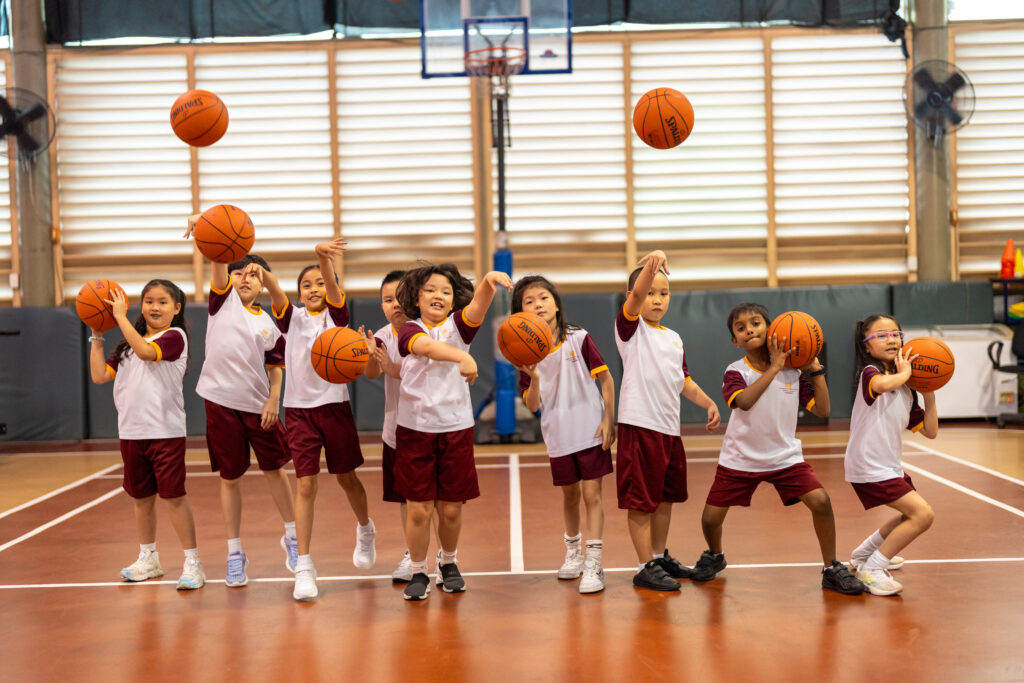
When parents think about sports, physical fitness is often the first benefit that comes to mind. The impact reaches far beyond keeping children active, and regular physical activity is essential for a child’s health and well-being. Athletics helps the children develop confidence, resilience, discipline, and skills that are not only useful in the classroom but also in life.
They learn to work as a team through sports, how to bounce back from a tough game and how to work for personal goals. The experiences they get help build their character and mindset.
At Chinese International School Manila (CISM), athletics are an important part of a holistic education. Alongside academic excellence, our students are encouraged to explore their interests, challenge themselves, and develop socially, emotionally, physically, and intellectually through meaningful extracurricular activities
The development of children throughout the years is multidisciplinary and sports involve much more than just physical development. Participation in athletic activities contributes to emotional well-being, fosters social relationships, develops character, and reinforces habits that lead to academic success.
In 2025, Bengtsson et al. published a systematic review and meta-analysis in the International Journal of Behavioral Nutrition and Physical Activity, which found a link between involvement in youth sports and good health outcomes across various developmental areas such as physical, mental, and social health. These findings reinforce what educators and parents alike witness firsthand: sports play an important role in helping children become healthy and well-rounded individuals.
Sports help kids learn how to overcome challengers, revel in success, work well with other kids, and persevere through losses. These experiences help get children ready for school and step up to the responsibilities they will face in life.
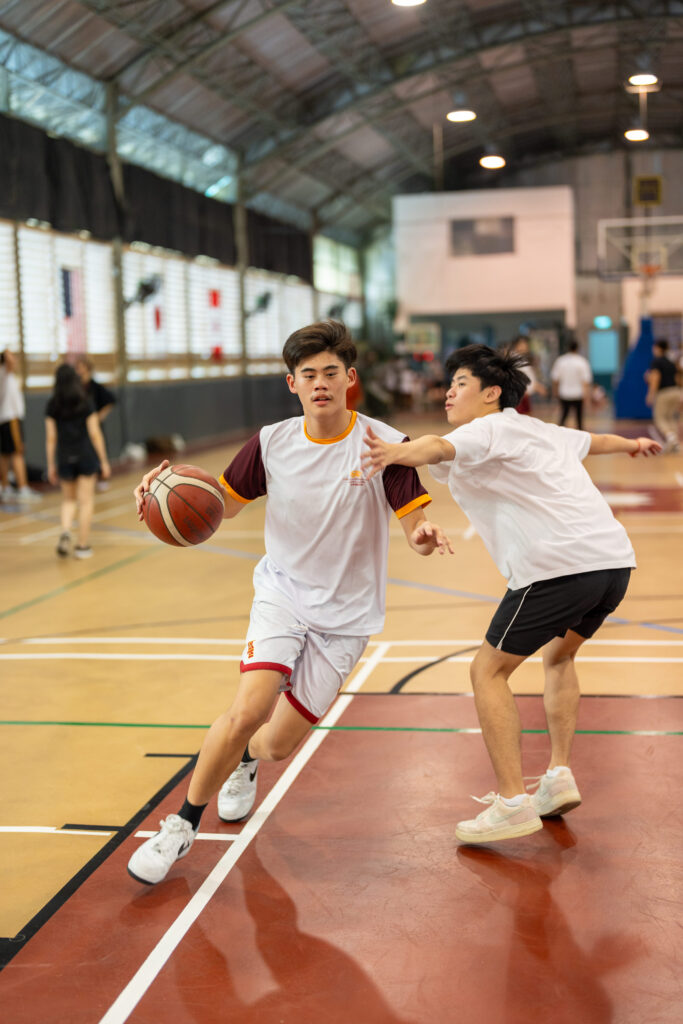
One of the most obvious benefits of sport for students is improved physical health. Regular participation in athletics strengthens the cardiovascular system, improves endurance, develops stronger muscles and bones, and enhances coordination and balance.
Children who participate in sports are also more likely to establish healthy daily routines. Regular physical activity supports better sleep, encourages healthier lifestyle choices, and naturally reduces time spent on screens. These habits contribute to both physical and mental well-being.
Perhaps most importantly, sports help children develop a lifelong appreciation for staying active. Research by Logan et al. (2020) found that youth who participated in organized sports were more likely to report better overall health in early adulthood compared to those who did not participate. This suggests that encouraging children to enjoy physical activity today may positively influence their health for the years to come.
Being active in sports allows children the safe space to experience both success and disappointment. Every practice, competition, and challenge becomes an opportunity to grow emotionally.
Winning builds confidence, while setbacks or incremental progress teaches resilience and endurance. Children learn that mistakes or losses are not failures but opportunities to improve through practice and perseverance. They understand that progress comes from consistent effort rather than immediate perfection.
Playing sports also teaches students how to regulate their emotions and healthy coping skills. They learn how to cope with the pressure before the competition, how to keep their head in hard situations, and how to deal with the disappointment of losing. Such experiences foster a growth mindset and build self-esteem so children are empowered to meet future challenges with confidence and determination.
These emotional skills become valuable far beyond athletics, helping students navigate academic pressures, friendships, and future life experiences.
Few environments teach collaboration and communication as naturally as sports does. Whether the kids are playing basketball, futsal, volleyball, or participating in team training sessions, students quickly learn that success depends on working together toward a common goal.
Sports strengthen communication skills by encouraging children to listen carefully, express themselves clearly, and respond effectively during fast-paced situations. They also learn the importance of respecting coaches, officials, teammates, and opponents, reinforcing values of sportsmanship.
Athletics also teaches you to be accountable. “Each player has a role to play and each person’s effort is essential to the team’s overall success. Students learn to take responsibility for their actions and support teammates through wins and losses. Sports are good for leadership opportunities. “Every student can be a leader by motivating their teammates, leading by example, making positive choices in pressure situations and contributing to a positive team culture.
These qualities grow children into empathetic leaders in school, in their communities, and eventually in their careers.

Make it clear that these habits tend to carry over to classroom performance and lifelong learning. Sports have benefits beyond the playing field, into the classroom. Students need to develop good habits that contribute to academic success in order to successfully balance schoolwork and athletic commitments. Sports teach children the ability to manage time well, set goals, remain disciplined and stay focused on long-term goals. They learn to manage priorities and to keep a consistent effort in different areas of their lives. Athletics teaches you one thing as well: perseverance.
For students learning a new skill or working toward a personal best, meaningful progress often takes patience and determination. This mindset is helpful for them when they get into the academic landscape, when they need to persist to get through tough subjects, talk to teachers, work with classmates on group projects and keep going when things get hard in learning.
When balanced well, sports supplement academic success rather than competing with it, helping students become more organized, resilient and motivated learners.
All parents know that every child has unique interests, strengths, and personalities. Finding the right sport that the child enjoys begins with allowing them to explore activities they genuinely like instead of focusing solely on competition or achievement.
Parents can support their children by encouraging exploration, celebrating effort rather than trophies, and allowing them to develop at their own pace. Avoiding early specialization also gives children the opportunity to discover different skills while reducing the risk of burnout.
At CISM, students have access to a wide variety of sports and athletics through the After School Activities (ASAC) program. Opportunities include Arnis, Badminton, Basketball, Chess, Futsal, Taekwondo, Volleyball, and many more, allowing students to discover activities that match their interests while developing valuable life skills.
The greatest value of sports isn’t measured by medals or championships but by the confidence built in the children and the character and mindset developed along the way.
From learning to communicate effectively and leading with integrity to developing discipline and perseverance, athletics prepare children for success in every stage of life. These lessons extend far beyond the playing field, helping students become compassionate, capable, and well-rounded individuals.
At Chinese International School Manila, sports are an integral part of a holistic education. Through a diverse range of athletic opportunities offered in the After School Activities and Clubs (ASAC) program, students are encouraged to pursue their passions, challenge themselves, and grow into more confident global citizens who are ready to thrive both inside and outside the classroom.