Choosing a proper primary school is a key decision regarding a child’s learning journey. These early years build the groundwork for positive intellectual, emotional, and individual growth. Academic curriculum, instructional techniques, and class size can shape a well-rounded education.
This article highlights how to make an educated decision about their child’s primary school by carefully assessing multiple possibilities and addressing their kid’s unique needs.
Picking a school that matches your personal beliefs and cultural preferences delivers your child a supportive and welcoming learning setting.
Educational institutes with robust cultural foundations, acceptance of ethnic diversity, and an inclusive curriculum help kids develop a sense of belonging.
Primary schools in Manila that enable mental awareness, collaboration, and personal development help learners become well-rounded and competent citizens. Parents can ensure a happy and meaningful educational adventure for their little ones by selecting a school that shares their family’s attitude to learning and individual character growth.
The practical variables of picking a school, including the institute location and day-to-day agenda, can impact the child and the parents. A school that is readily accessible can lower commute time alongside daily stress and tiredness. Parents should check school transportation, traffic conditions, and connectivity to their home or workplace.
Furthermore, school start and end times should align with your daily schedules. Before deciding, visiting the school to learn about elementary school drop-off and pick-up procedures, lunch services, and after-school childcare options will help create an effortless habit that matches your regular workflow.
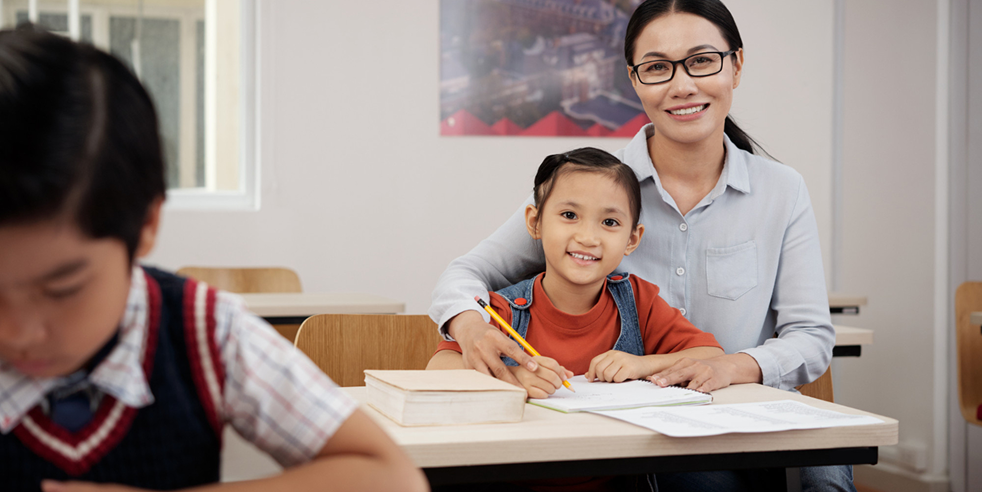
A small teacher-to-student ratio can create a personalised classroom, permitting educators to meet individual student needs. Smaller classes let educators devote more time to each kid, resulting in improved academic knowledge. Elementary schools with balanced class sizes offer more effective learner assistance, ensuring no kid feels ignored.
This technique is helpful for younger pupils, those with learning disabilities, and kids who need further academic assistance. When choosing a school, parents should ask about class sizes, teaching techniques, and if the school prioritises focused attention in its learning philosophy.
Academic standing is crucial to support outstanding education for a school offering primary education in the Philippines. Strong test scores, certification from recognised boards, and a record of student performance demonstrate a dedication to quality. Beyond grades, parents should reflect on how the school encourages intellectual stimulation and problem-solving abilities.
Alumni achievement records, university placements, and educator certifications indicate a school’s reputation. Engaging with existing parents and assessing academic programs can give insight into whether the school fulfils its promise of academic achievement while instilling a lifetime love of learning.
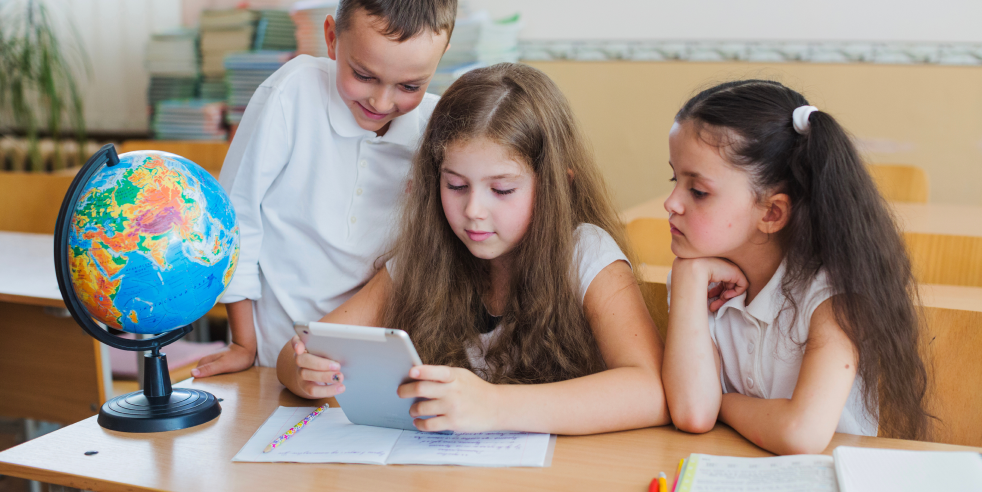
A school’s infrastructure is fundamental in promoting pupil development and overall health. Fully furnished classrooms, science and technology labs, libraries, and social spaces can improve the learning experience. Modern facilities, such as interactive classrooms and shared learning spheres, help to iterate the importance of education and innovative teaching approaches.
Athletic facilities, play areas, and art studios boost physical and creative growth. Parents should also check the institute’s safety, cleanliness, and maintenance policies. A primary school that spends on its infrastructure depicts a drive to enable its learners with a positive and exciting learning environment.
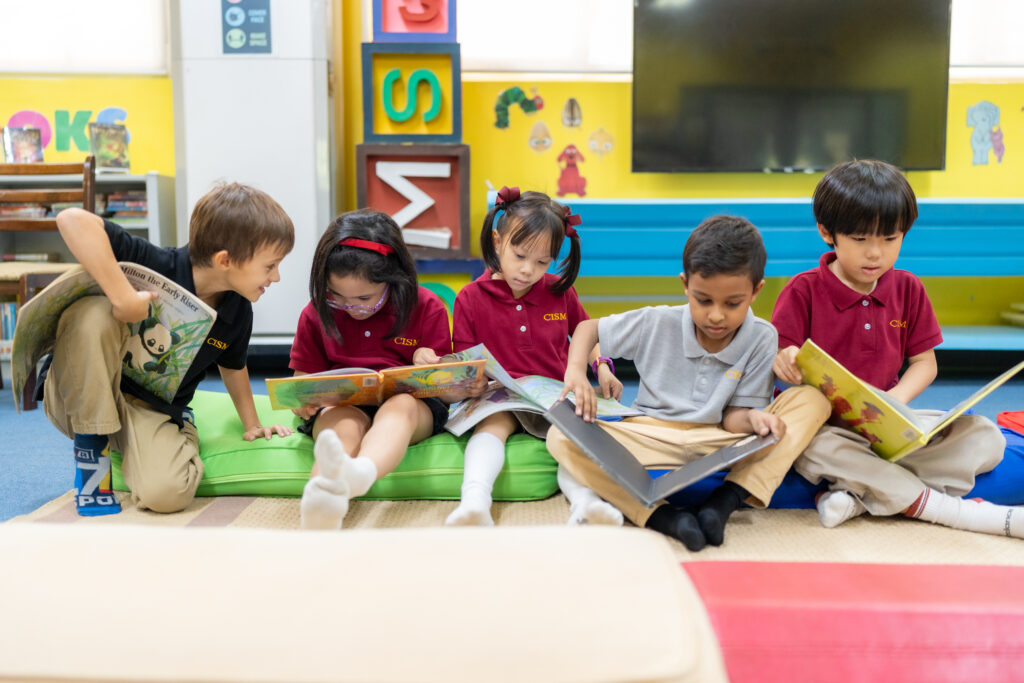
Extracurricular activities complement academic learning and are essential to holistic learner growth. Primary schools that offer programs like athletics, performing arts, and public speaking allow students to follow their unique interests and strengths. These activities help develop confidence, teamwork, and time management abilities.
Leading schools feature clubs focused on STEM, business management, or environmental protection, appealing to diverse student interests.
Parents should consider whether their chosen primary and nursery schools in Manila offer planned extracurricular activities that match their child’s interests, guaranteeing extensive schooling beyond the classroom.
Continuous interaction between teachers and parents can support their kid’s balanced academic development. Primary schools that enable open communication through regular meetings, emails, and digital mediums let parents stay informed on their child’s classroom journey.
Parent-teacher interactions, online portals, and feedback groups allow families to monitor progress and handle obstacles.
A school with an engaged parent community encourages collaboration between instructors and families, promising that children get consistent assistance. Before selecting a school, parents should review how the institution supports communication and if it encourages collaboration that benefits the child’s educational path.
Choosing the ideal elementary school involves assessing curriculum, infrastructure, location, and recreational opportunities. A school offering primary education that reflects your child’s needs and beliefs can enable long-term success. Visiting multiple institutes and conversing with staff delivers valuable feedback. Take the time to investigate your alternatives and make an informed selection to provide a supportive school setting for your child.
From the sports field to the science lab, explore how our students are shaping their futures and building lifelong memories within the CISM community.