/
/
Choosing the Best K-12 School: Key Factors for Your Child’s Education

Choosing the Best K-12 School: Key Factors for Your Child’s Education

November 10, 2025, by CISM Enrichment Team —

Types of K-12 Schools

1

Public Schools

Public schools are state-funded entities that offer free education to pupils. They adhere to a standardised national curriculum and are open to all learners within a district.
Pros – Public primary schools are perfect for families seeking affordable education with a diverse community experience.
Cons– While they provide varied extracurricular activities and experienced teachers, class sizes can get large.

2

Private Schools

Private schools operate without government financing and have lower class numbers, specialised curricula, and better infrastructure. They could choose national or international programs like the IB or Cambridge. Tuition prices apply, but these institutions offer personalised instruction and excellent college preparation.
Pros – Private schools are ideal for parents seeking academic rigour and personalised learning.
Cons – Expensive tuition, selective admissions

3

International Schools

International schools are perfect for expat families with varied curricula like the IB, IGCSE, and American AP. The secondary level education Philippines trains pupils for further education in countries across the globe by emphasising broad viewpoints. Pros – They are optimal for learners who want an internationally recognised and high-quality education. They enable a multicultural environment with cutting-edge teaching methods and top-tier facilities.
Cons – These may not be easily available in some areas as public/private schools.

4

Specialised Schools

Specialised institutes follow distinctive learning techniques, like STEM, performing arts, and gifted learning. Montessori, Waldorf, and STEM academies are examples of institutions that promote hands-on learning. These schools cater to pupils with specific abilities or requirements, offering personalised k 12 education.
Pros – They are ideal for children who flourish in alternative learning contexts or need specialised academic help.
Cons – They may lack traditional extracurriculars.

Here is a quick summary of the various types of schools

Table Heading 4
Type
Description
Pros
Cons
Public Schools
State-funded, free education following a standardize curriculum. Open to all students within a district
- Public primary schools are affordable
- Diverse student body
- Wide range of extracurriculars
- Experienced teachers
- Large class sizes
- Limited flexibility in curriculum
- Potential funding limitations
Private Schools
Privately funded, with smaller classes and specialized curricula (national or international). Tuition required.
- Smaller class sizes
- Personalized instruction
- Advanced facilities
- Strong college prep
- Flexible curriculum (IB, Cambridge, etc.)
- Expensive tuition
- Less diversity (socioeconomic)
- Selective admissions
International Schools
Cater to expat families, offering globally recognized curricula (IB, IGCSE, AP). Multicultural environment for secondary level education Philippines.
- Internationally recognized diplomas
- Multicultural exposure
- High-quality facilities & teaching
- Prepares for global universities
- Limited availability in some areas
- May lack local cultural immersion
Specialized Schools
Focus on unique learning approaches (STEM, arts, Montessori, gifted programs). Tailored to specific student needs.
- Customized education
- Hands-on learning
- Caters to special talents/needs
- Alternative teaching methods
- Limited accessibility
- May lack traditional extracurriculars
- Potentially higher costs (for private specialized schools)
Comparing Academic Programs and Frameworks

Parents should assess varied elementary school curricula and structures when selecting a K-12 institute for their little ones. Schools can adopt regional programs like the Common Core or CBSE or offer well-acclaimed programs, including Cambridge, IB, and AP. Each framework has distinct characteristics that can guide pupils in their academic and professional journey. A balanced curriculum should boost analytical thinking and strong interpersonal abilities.
Consider variables including flexibility, subject options, and compatibility with your child’s expertise and goals. Some programs focus on standardised evaluations, while others value all-rounded, inquiry-driven learning. Understanding how a school includes technology and student support reiterates the importance of education and can help parents determine its success rate.

Evaluating the School Culture and Environment

The culture and learning environment of a K-12 school can strongly impact a kid’s academic journey. Diversity, learner-teacher ties, and disciplinary policies can enable a child’s balanced growth. A welcoming learning setting can enable mental wellness, respect, and teamwork among pupils.
Institutes that uphold strong principles foster self-assurance, leadership, and a feeling of belonging.
Review anti-bully practices, peer connections, and teacher support networks. Engaging with students and staff and analysing the mission statements before taking school admission can offer insight into the school’s culture. Picking a school where your kid feels secure, engaged, and respected could result in their academic and individual growth. A loving atmosphere encourages children to grow and trains them for a successful future.

Optimising Growth with Extracurricular Activities

Extracurricular activities are critical for a child’s balanced growth, providing possibilities beyond the classroom. Athletics, performing arts, debate, and STEM programs let pupils grow confidence, collaboration, and leadership abilities. A comprehensive school provides multiple clubs, competitions, and service activities that cater to students’ interests. These activities at K-12 schools improve innovation and social interaction, helping students to excel academically.

Leveraging School Visits for Informed Decisions

Touring a school in person offers crucial information that brochures and webpages cannot share. A visit can enable parents to evaluate classroom settings, teaching methods, private school amenities, and student relationships. Experiencing the school in action can aid you in determining whether it meets your child’s needs and standards. Campus safety, technological integration, and overall pupil engagement are vital factors.
Engaging with instructors, staff members, and existing learners offers a genuine picture of the school’s culture and its k 12 educational system.
Attending school visits or trial courses can assist in clarifying the choices you make. A carefully planned school visit helps parents make a smart decision, thus promising that their child will succeed in a supportive classroom environment.

Conclusion

Choosing the ideal K-12 schools in Manila requires a detailed assessment of academic programs, extracurricular programs, and other notable factors. Attending school fairs and connecting with professionals can provide helpful insight into potential options. Interacting with learners, teachers, and administrators helps you make an educated decision. A well-chosen school promotes academic performance and future opportunities, ensuring your kid thrives in a positive educational setting.

You Can Explore More

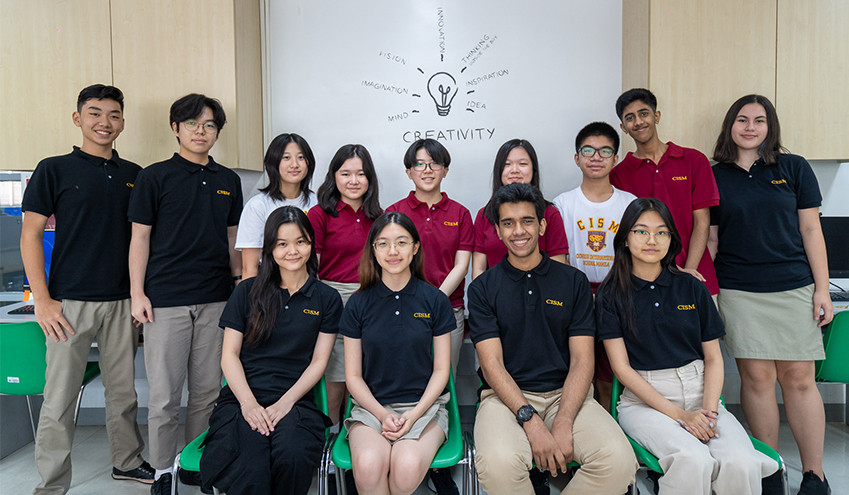
From the sports field to the science lab, explore how our students are shaping their futures and building lifelong memories within the CISM community.