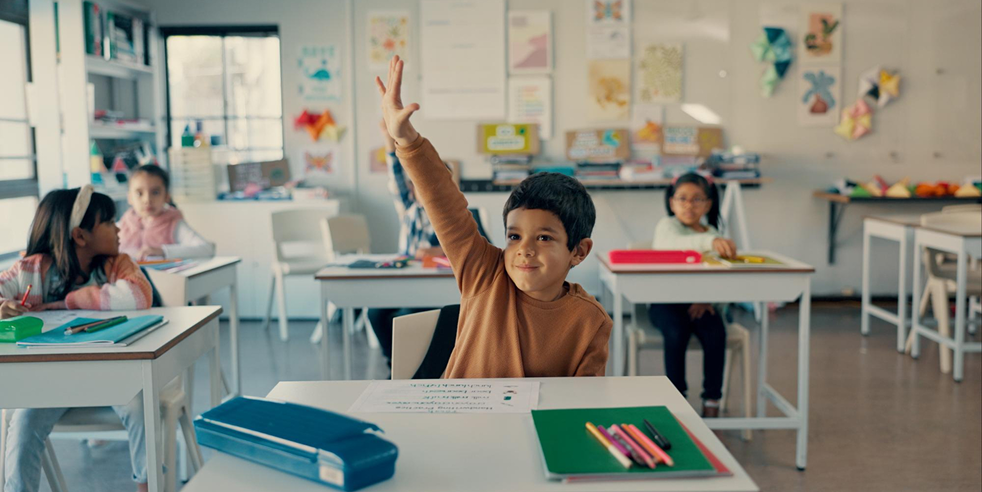
Every kid has varied learning styles and growth potential. Some children excel in organised settings, while some prosper under hands-on or immersive learning. Assess their learning aptitude, social skills and personal interests. Identifying these elements helps parents pick a school that caters to their child’s requirements.
Elementary schools have unique instruction methods, curriculum frameworks, and learning environments. Public, private, and international institutions all follow unique approaches, such as Montessori and Waldorf. Each primary education method shares distinct advantages that range from standardised curriculum to personalised learning techniques.
Read internet reviews, visit school websites, and connect with existing parents to learn about the teaching standards, extracurricular events, and pupil participation. Consider class size, security, and academic success. Visiting schools helps parents assess the learning settings, engage with teachers, and confirm that the institute’s values are compatible with their child’s needs before taking school admission.
The atmosphere of their educational institution can influence a child’s growth. Consider disciplinary practices, student diversity, and mental health services. Exploring demo classes and recognising the institution’s goal will help parents assess whether the environment encourages creativity and a pleasant learning experience.
The curriculum influences a child’s academic journey, so select one that meets their learning requirements. Primary schools can offer national, international or alternative curricula to emphasise distinct teaching techniques and the importance of education. Investigate subject options, language programs, and specialised courses like STEM or creative arts. A well-rounded curriculum supports logical thinking and adaptation.
Extracurricular endeavours are necessary for a learner’s all-round growth. Institutes that offer athletics, leadership programs, and community service help children grow collaborative abilities and creativity. These activities support learning beyond academics by imparting traits like confidence and resilience. Private education schools that actively encourage extracurricular activities help students pursue their interests, build connections, and learn vital life abilities.
Teachers have a primary role in a child’s academic journey. An excellent school ensures low student-teacher ratios, enables continuous professional growth, and employs creative teaching practices. Effective teachers offer immersive lessons that appeal to varied learning styles. Supportive and well-trained instructors promote intellectual curiosity and mental stability.
A positive parent-school bond supports a child’s intellectual and emotional growth. Choose schools in elementary that enable family participation via PTAs, workshops, and open communication mediums. Frequent progress reports, open policies, and channels for interaction provide a supportive environment that offers ample support to children.
Every school has distinctive features, like specialised academic programs, creative teaching methods, or an extensive focus on character growth. Some stress multilingual education, while others thrive in STEM, creative arts, or fostering leadership. Recognising these distinct characteristics enables parents to select an elementary school that aligns with their child’s unique goals.
Choosing the elementary schools in Manila is a key decision that affects a child’s academic foundation and individual growth. Consider your child’s happiness, learning style, and overall growth when making this decision. A suitable school will support curiosity, confidence, and a love of learning, paving the way for a promising future.
Preschool Deputy Academic Director and IT/Computer Teacher
Yna Agtuca holds a Bachelor of Elementary Education major in Special Education and is currently a Master of Arts in Educational Psychology candidate. With 14 years of teaching experience, she brings dedication, expertise, and a deep commitment to supporting diverse learners and fostering inclusive, student-centered classrooms.
From the sports field to the science lab, explore how our students are shaping their futures and building lifelong memories within the CISM community.