
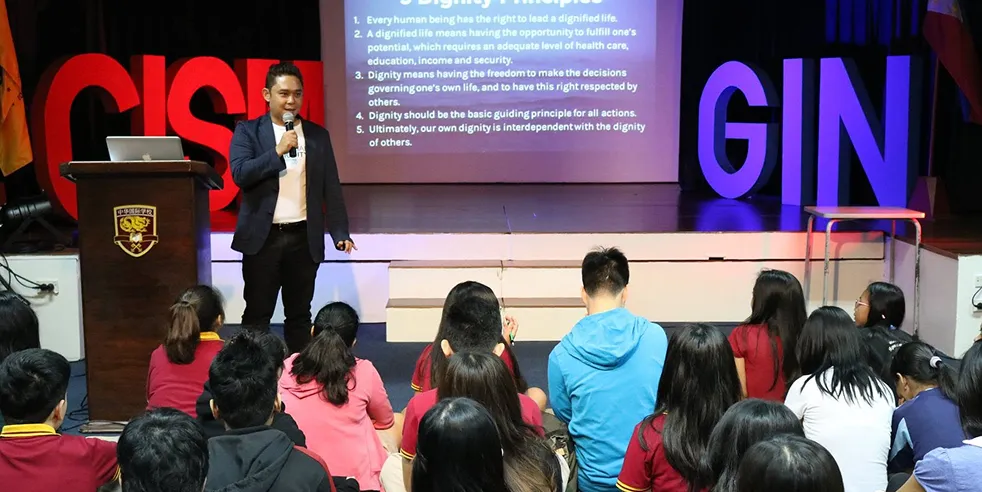
Preparing students for the future involves more than academic success alone. Schools today are increasingly focused on helping learners explore career opportunities, understand higher education pathways, and develop real-world readiness. One of the most effective ways schools support this process is through organizing career fairs. A career fair for students is an event where universities, organizations, industry professionals, and counselors gather to provide information, guidance, and networking opportunities for students exploring future academic and professional pathways.
The importance of career fairs has grown significantly over the years. As industries continue to evolve and career pathways become more diverse, students benefit from direct exposure to professionals and educational institutions. Schools recognize that career fairs help bridge the gap between classroom learning and future opportunities by giving students practical insights into careers, industries, and university programs.
Career fairs also encourage students to think proactively about their goals and interests. By attending these events, students can ask questions, learn about different professions, and gain a clearer understanding of what they may want to pursue in the future. For families wondering what to expect at a career fair, these events provide valuable opportunities for exploration, preparation, and informed decision-making.
In this post, we explore:
Schools around the world are increasingly organizing career fairs as part of their student development initiatives. These events help students connect academic learning with future career possibilities by exposing them to professionals, universities, and industries.
This growing popularity reflects the changing expectations of modern education. Most of the best private schools in the Philippines no longer just focuses solely on academic achievement; they are also preparing students for life beyond graduation. A well-organized career fair helps students understand the relationship between education, skills, and future opportunities.
Examples include schools inviting representatives from international universities, technology companies, healthcare organizations, and creative industries. Many schools also collaborate with alumni and professionals to provide students with firsthand career insights.
One of the main features of a career fair for students is the presence of booths hosted by universities, colleges, and organizations. These booths provide students with information about programs, admissions requirements, scholarships, internships, and career pathways.
This aspect of the event is important because it allows students to compare opportunities in one location. Instead of relying solely on online research, students can interact directly with representatives and receive personalized information.
Examples include university admissions booths showcasing academic programs, companies sharing internship opportunities, and organizations presenting career development resources.
Career fairs also give students the opportunity to interact directly with professionals, industry experts, and academic counselors. These conversations provide valuable real-world perspectives on careers and education.
This interaction is beneficial because students can ask questions about career expectations, university preparation, and industry trends. It helps students make more informed decisions about their future.
Examples include speaking with engineers about STEM careers, consulting admissions counselors about university pathways, or discussing entrepreneurship with business professionals.
Many career fairs include workshops, seminars, and presentations designed to educate students on various topics related to careers and higher education.
These sessions are important because they provide structured guidance and practical advice that students may not receive in regular classroom settings.
Examples include workshops on resume writing, presentations about studying abroad, and seminars discussing emerging industries and future job trends.
Preparation is essential for making the most of a career fair. Students should research participating universities and organizations in advance to better understand available opportunities.
This preparation allows students to ask informed questions and focus on institutions aligned with their interests and goals.
Examples include reviewing university websites, exploring program requirements, and identifying industries they want to learn more about.
Students should attend a career fair with clear questions and objectives. Having goals helps students stay focused and maximize the value of their interactions.
This is important because purposeful participation encourages meaningful conversations and stronger engagement with representatives.
Examples of questions include asking about scholarship opportunities, internship pathways, career prospects, and campus life experiences.
Students should come prepared with essential materials such as notebooks, resumes (if appropriate), and contact information.
Being organized demonstrates professionalism and helps students keep track of important information gathered during the event.
Examples include carrying a folder for brochures, taking notes during presentations, and collecting business cards for future follow-up.
Parents play an important role in supporting students during career fairs. Their guidance can help children navigate the event more confidently.
This support is valuable because parents can encourage thoughtful discussions without dominating the student’s decision-making process.
Examples include helping students prioritize booths to visit, encouraging them to ask questions independently, and discussing impressions afterward.
While guidance is helpful, it is equally important for parents to avoid placing excessive pressure on students when exploring career options.
Career exploration should be a collaborative and supportive process that encourages students to discover their own interests and strengths.
Examples include listening to students’ aspirations, encouraging open-minded exploration, and respecting individual preferences and talents.
Career fairs expose students to a wide variety of professions and industries, many of which they may not have previously considered.
This broad exposure helps students better understand the diversity of career opportunities available today.
Examples include discovering careers in sustainability, digital media, healthcare, engineering, or international business.
One of the most valuable aspects of attending a career fair for students is the opportunity to build connections with professionals and institutions.
Networking helps students develop communication skills and establish relationships that may benefit future academic or career opportunities.
Examples include exchanging contact information with admissions counselors or connecting with alumni and professionals.
Career fairs help students better understand how educational pathways connect to professional goals.
This understanding supports informed decision-making about university programs, internships, and long-term aspirations.
Examples include learning about IB pathways, international university admissions, and specialized degree programs.
Students who attend career fairs without preparation may struggle to make meaningful use of the experience.
Preparation helps students engage more confidently and gather relevant information.
Examples include researching exhibitors beforehand and planning questions in advance.
Some students hesitate to approach booths or ask questions, limiting the value of the event.
Active participation is essential for gaining insights and building confidence.
Examples include initiating conversations, attending presentations, and participating in workshops.
Following up after the event is an important but often overlooked step.
Maintaining communication helps students continue building relationships and exploring opportunities.
Examples include sending thank-you emails or revisiting university websites after the fair.
| Do’s | Don’ts |
| Research institutions beforehand | Arrive unprepared |
| Dress neatly and professionally | Ignore booth representatives |
| Ask thoughtful questions | Use mobile phones excessively |
| Take notes during conversations | Collect brochures without engaging |
| Follow up after the event | Wait until the last minute to participate |
Research consistently suggests that students who participate in career fairs demonstrate stronger career readiness and educational awareness. Studies and education surveys indicate that:
These statistics highlight how career fairs positively influence student preparedness by increasing awareness, confidence, and motivation toward future planning.
Career fairs play an important role in helping students explore future opportunities, build confidence, and gain valuable insights into academic and professional pathways. Understanding what to expect at a career fair allows both students and parents to approach the experience with preparation and purpose.
From interacting with universities and professionals to participating in workshops and networking opportunities, a career fair for students offers meaningful exposure to the real world beyond the classroom. These events not only support career exploration but also encourage proactive planning and informed decision-making.
By actively participating in career fairs, students and parents can work together to better understand future possibilities and make more confident educational and career choices.
Students can expect university booths, career presentations, networking opportunities, and direct interaction with professionals and counselors.
Students should research participating institutions, prepare questions, set goals, and bring materials such as notebooks or resumes.
Career fairs help students explore career pathways, understand educational opportunities, and connect with professionals and institutions.
Yes, career fairs provide exposure to multiple industries and professions, helping students make more informed decisions about future goals.
Students may ask about academic programs, career pathways, internships, scholarships, industry trends, and admissions requirements.