
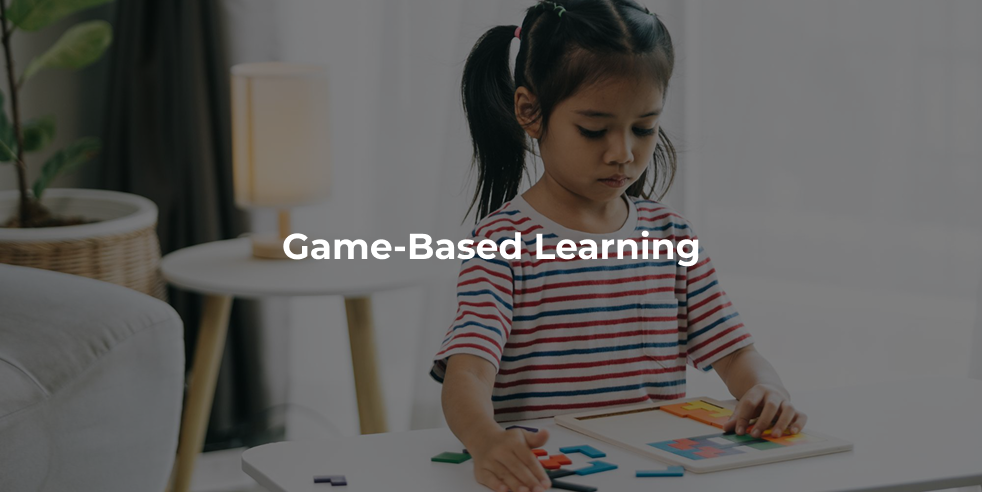
In today’s rapidly evolving educational landscape, teaching methods are becoming more innovative and student-centered. Whether it be in public or private schools in the Philippines, one such approach gaining widespread attention is game-based learning. But exactly what is game-based learning? It is a teaching method that integrates games—whether digital, physical, or interactive—into the learning process to enhance engagement and understanding. Instead of passively receiving information, students actively participate in problem-solving, challenges, and structured play that supports learning objectives.
Over the years, game-based learning has evolved significantly. In the past, it was limited to simple classroom activities like board games or role-playing exercises. Today, with advancements in technology, it has expanded into digital platforms, gamified applications, and immersive simulations that adapt to individual student needs. This evolution has transformed game-based learning in students into a powerful tool that aligns with modern learning styles and expectations.
In this article, we explore the benefits of game-based learning, including how it:
Game-based learning offers a dynamic and engaging way to enhance education, even all the way to senior high school level programs. By combining play with structured learning objectives, it transforms traditional lessons into interactive experiences that capture students’ attention and curiosity.
This approach is particularly effective because it aligns with how children naturally learn—through exploration, interaction, and experimentation. When students are engaged and motivated, they are more likely to retain information and develop a deeper understanding of concepts. The benefits of game-based learning extend beyond academics, supporting emotional and social development as well.
Examples include educational apps that teach math through puzzles, language games that reward vocabulary progress, and simulation-based activities that replicate real-world scenarios. These tools demonstrate how game-based learning can make education both effective and enjoyable.
Game-based learning significantly increases student engagement by turning lessons into interactive experiences. Students are more likely to participate actively when learning feels enjoyable and rewarding.
This is a key aspect of what game-based learning is, as engagement directly impacts how well students absorb and retain information. Engaged learners are more attentive, motivated, and willing to explore new concepts.
Examples include gamified quizzes, classroom competitions, and interactive storytelling platforms where students make decisions that influence outcomes. These activities keep students focused and invested in their learning.
Games often require students to analyze situations, make decisions, and solve problems, which naturally enhances critical thinking skills.
This is one of the most valuable benefits of game-based learning, as it prepares students to approach challenges logically and strategically. Critical thinking is essential for both academic success and real-world problem-solving.
Examples include puzzle-solving games, coding challenges, and strategy-based simulations where students must evaluate options and adapt their approach. These activities encourage analytical thinking and decision-making.
Game-based learning promotes active participation, allowing students to engage directly with the material rather than passively listening or memorizing.
Active learning is important because it helps students understand and apply concepts more effectively. It encourages exploration and hands-on involvement.
Examples include role-playing scenarios, interactive science experiments, and virtual simulations where students test ideas and observe outcomes. These experiences make learning more meaningful and memorable.
Many game-based activities involve group participation, fostering collaboration and teamwork among students. Working together helps learners share ideas and solve problems collectively.
This aspect of game-based learning in students is particularly important in developing communication and interpersonal skills. Collaboration prepares students for real-world environments where teamwork is essential.
Examples include group challenges, team-based competitions, and multiplayer educational games. These activities encourage cooperation and mutual support.
Game-based learning often uses adaptive technologies to tailor content to individual student needs. This allows learners to progress at their own pace and focus on areas where they need improvement.
Personalization is a major advantage because it ensures that each student receives the appropriate level of challenge and support. It accommodates different learning styles and abilities.
Examples include adaptive learning apps that adjust difficulty levels, personalized feedback systems, and progress tracking tools. These features help students stay engaged and improve continuously.
Game-based learning motivates students through rewards, achievements, and immediate feedback. These elements create a sense of accomplishment and encourage continued effort.
This boost in motivation leads to increased confidence, which is essential for long-term learning success. Students feel more comfortable taking risks and trying new approaches.
Examples include earning points, unlocking levels, and receiving recognition for progress. These experiences reinforce positive behavior and build self-esteem.
Game-based learning helps students develop essential digital literacy skills while strengthening cognitive abilities such as memory, attention, and problem-solving.
These skills are crucial in today’s technology-driven world. Understanding what game-based learning is includes recognizing its role in preparing students for future challenges.
Examples include using educational apps, participating in coding games, and engaging with interactive digital platforms. These tools enhance both technical and cognitive development.
Game-based learning is a powerful educational approach that transforms traditional teaching into an engaging, interactive experience. By combining play with learning, it helps students develop critical thinking, collaboration, and problem-solving skills while boosting motivation and confidence. The benefits of game-based learning extend beyond academics, supporting holistic development and preparing students for the demands of the modern world. As education continues to evolve, game-based learning remains an essential strategy for creating meaningful and effective learning experiences for students.
Take your child’s learning experience to the next level and check out our admissions for upcoming intake or learn more about CISM!
Game-based learning integrates educational content into games, allowing students to learn through interactive challenges, problem-solving, and goal-oriented activities.
It improves engagement, enhances critical thinking, supports personalized learning, and boosts motivation and confidence.
Potential challenges include overuse of technology, distractions if not guided properly, and the need to balance it with traditional teaching methods.
It is interactive, student-centered, and focuses on active participation, unlike traditional methods that rely more on passive learning.
It aligns with digital trends, supports diverse learning styles, and prepares students with skills needed for future academic and professional success.