
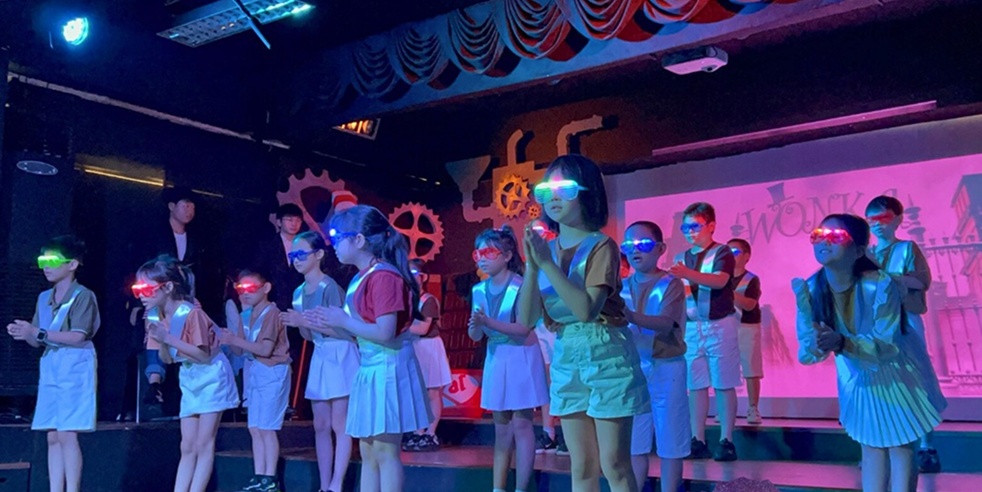
Performing arts festivals in schools are vibrant, student-centered events that bring together creativity, expression, and collaboration. Whether it be at the primary level or higher, schools that host these festivals provide a platform for students to showcase their talents in music, dance, theater, visual arts, and more. Beyond entertainment, they serve as powerful learning experiences that encourage students to explore their passions and express themselves confidently.
Creative platforms like arts festivals are essential in modern education. They allow students to develop skills beyond academics, including communication, emotional expression, and collaboration. As performing arts in schools become more integrated into holistic education, these festivals play a crucial role in nurturing well-rounded learners.
The 2025 Performing Arts Festival highlights a diverse range of activities, including painting workshops, musical performances, theater productions, dance showcases, and even culinary competitions. These experiences not only celebrate talent but also encourage innovation and cultural appreciation among students.
In this article, we explore:
Performing arts festivals provide students with opportunities to explore their creativity and express themselves in unique ways. Whether through music, painting, or drama, students are encouraged to think beyond traditional academic boundaries.
This creative freedom is a core reason why arts festivals, be it in public or private schools, are ever so valuable. They allow students to discover their artistic interests and develop original ideas. Creativity nurtured at a young age often translates into innovation and problem-solving skills later in life.
Examples include students creating original artwork during painting workshops, composing music pieces, or writing scripts for theater performances. These activities empower students to express their individuality and imagination.
Performing in front of an audience helps students build confidence and overcome stage fright. These experiences teach them to present themselves clearly and communicate effectively.
Confidence gained through performing arts in schools extends beyond performances. It helps students participate more actively in class discussions and social interactions.
Examples include students performing musical pieces, acting in theater productions, or speaking during open mic sessions. These moments help build self-assurance and resilience.
Arts festivals often involve group performances and collaborative projects. Students must work together to achieve a common goal.
This collaboration is essential because it mirrors real-world teamwork scenarios. Students learn to respect different perspectives and contribute meaningfully to group efforts.
Examples include ensemble music performances, group dance routines, and collaborative theater productions. These experiences teach communication, coordination, and shared responsibility.
Performing arts contribute significantly to student development across various stages of life.
| Type of Benefit | Early Years Application | Primary/Secondary Application | Long-Term Impact |
| Creativity | Exploration through play and art | Development of artistic skills | Innovation and creative thinking |
| Confidence | Expressing ideas through simple performances | Public speaking and stage presence | Leadership and self-assurance |
| Communication Skills | Basic verbal and non-verbal expression | Presentations and collaborative discussions | Professional communication skills |
| Emotional Development | Understanding emotions through art | Emotional expression in performances | Emotional intelligence and empathy |
| Teamwork | Group play activities | Collaborative performances | Workplace collaboration skills |
These benefits highlight why performing arts in schools are essential to holistic education.
The importance lies in preparing students for life beyond academics. Arts education builds transferable skills that support personal and professional success.
Examples include students gaining confidence in public speaking, developing empathy through storytelling, and learning collaboration through group performances.
Painting workshops offer students the opportunity to explore the visual arts and experiment with different techniques. These sessions encourage creativity and self-expression.
This activity aligns with the purpose of an arts festival in schools, as it allows students to develop artistic skills in a supportive environment.
Examples include guided art sessions, collaborative mural projects, and individual creative pieces that showcase student imagination.
Musical performances are a central feature of performing arts festivals, allowing students to showcase their musical talents.
Music plays a vital role in performing arts in schools by enhancing creativity, discipline, and emotional expression.
Examples include solo performances, band showcases, and choir presentations that highlight diverse musical styles.
Open mic sessions and theater performances provide platforms for storytelling and dramatic expression.
These activities help students build confidence and communication skills, reinforcing the value of arts education.
Examples include student-led skits, spoken word poetry, and short theatrical productions that engage audiences.
Dance performances celebrate movement and cultural diversity. Students learn choreography inspired by various traditions.
This highlights the global aspect of performing arts in schools, promoting inclusivity and cultural appreciation.
Examples include traditional dances, contemporary routines, and fusion performances representing different cultures.
Culinary competitions add a unique dimension to the festival by combining creativity with practical skills.
This activity connects art with real-world applications, showing how creativity extends beyond traditional forms.
Examples include fusion dishes inspired by global cuisines, team-based cooking challenges, and presentations of culinary concepts.
Arts festivals introduce students to music and dance from around the world. These performances expose learners to diverse traditions and styles.
This exposure is important because it fosters global awareness and respect for different cultures. It aligns with the broader goals of holistic education.
Examples include performances inspired by Asian, European, and African traditions, helping students understand cultural diversity.
Art and food are powerful ways to experience culture. Festivals often incorporate these elements to enhance learning.
This approach helps students connect with global traditions in meaningful ways. It encourages curiosity and appreciation for diversity.
Examples include culinary competitions featuring international dishes and art projects inspired by cultural themes.
Teachers play a crucial role by providing mentorship and guidance throughout the preparation process. Their support helps students develop skills and confidence.
Families also contribute by encouraging participation and celebrating student achievements. Their involvement reinforces the value of creative expression.
Creating a positive performance environment is essential. Schools like CISM foster supportive spaces where students feel safe to explore their talents, build confidence, and develop lifelong skills. Together, educators and families ensure that performing arts festivals remain meaningful and impactful experiences.
Give your child the experience to learn about other cultures through art festivals when you enrol with us at CISM. Check out our admission page to learn more.
A school performing arts festival is an event where students showcase talents in music, dance, theater, and visual arts.
Activities typically include performances, workshops, exhibitions, and competitions such as music, dance, art, and culinary events.
They support creativity, confidence, communication, and emotional development, contributing to holistic education.
Students develop teamwork, communication, creativity, confidence, and problem-solving skills.
They gain confidence, express creativity, build relationships, and develop skills that support academic and personal growth.